10 Essential Strategies for the Best Personal Loan Rates
The Fed's Effect on Personal Loan Rates Explained - Credible
Discover 10 essential strategies to secure the best personal loan rates, influenced by the Federal Reserve and your financial profile.
The Federal Reserve's monetary policy decisions ripple through the economy, influencing various aspects of personal finance, including personal loan rates. While the Fed doesn't directly set these rates, its actions create an environment that can either increase or decrease the cost of borrowing. However, it's essential to understand that the Fed's influence is just one piece of the puzzle. Your individual creditworthiness and financial situation often play a more significant role in determining the interest rate you'll receive on a personal loan.
This article delves into the complex relationship between the Federal Reserve and personal loan rates, exploring how the Fed's policies affect borrowing costs and what factors you can control to secure the best possible rate.
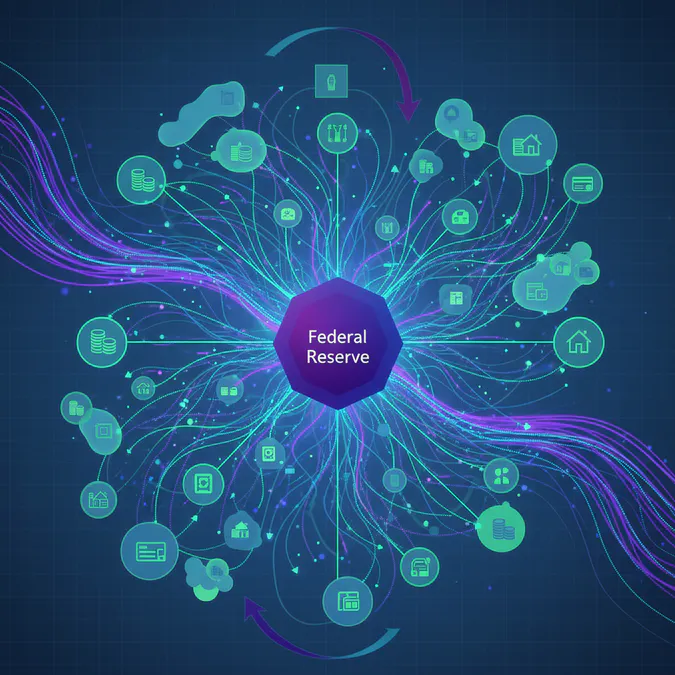
The Federal Reserve influences personal loan rates indirectly through its monetary policy.
Your credit score, income, and debt-to-income ratio are major determinants of your personal loan interest rate.
Understanding the economic climate and Fed policies can help you time your loan application strategically.
Comparing offers from multiple lenders is cruc
ial to finding the best personal loan rate.
How the Federal Reserve Influences Interest Rates
The Federal Reserve, often called the Fed, is the central bank of the United States. Its primary mission is to maintain economic stability by controlling inflation and promoting full employment. The Fed uses several tools to achieve these goals, including:
The Federal Funds Rate: This is the target rate that the Fed wants banks to charge each other for the overnight lending of reserves. While the Fed doesn't mandate this rate, it influences it through open market operations (buying and selling government securities).
The Discount Rate: This is the interest rate at which commercial banks can borrow money directly from the Fed.
Reserve Requirements: These are the percentage of deposits that banks are required to hold in reserve.
When the Fed raises the federal funds rate, it becomes more expensive for banks to borrow money. These increased costs are often passed on to consumers in the form of higher interest rates on various types of loans, including personal loans. Conversely, when the Fed lowers the federal funds rate, borrowing becomes cheaper for banks, which can lead to lower interest rates for consumers.
The Indirect Impact on Personal Loans
It's important to remember that the Fed's influence on personal loan rates is indirect. Personal loan rates are primarily determined by the following factors:
The Overall Economic Climate: A strong economy typically leads to higher interest rates as demand for credit increases. A weak economy may lead to lower rates as lenders try to stimulate borrowing.
The Creditworthiness of the Borrower: Lenders assess the risk of lending to a borrower based on their credit score, credit history, income, and debt-to-income ratio. Borrowers with excellent credit scores and stable incomes are considered less risky and are typically offered lower interest rates.
The Lender's Risk Appetite: Different lenders have different risk tolerances. Some lenders may be willing to offer lower rates to attract more borrowers, while others may charge higher rates to compensate for perceived risk.
Factors That Determine Your Personal Loan Rate
While the Fed's actions create a general environment for interest rates, several factors specific to your financial profile will ultimately determine the rate you receive on a personal loan:
Credit Score
Your credit score is a numerical representation of your creditworthiness. It's based on your credit history, including your payment history, the amount of debt you owe, the length of your credit history, and the types of credit you use. A higher credit score indicates a lower risk to lenders, which translates to lower interest rates.
Income and Employment History
Lenders want to ensure that you have the ability to repay the loan. They will assess your income and employment history to determine your financial stability. A stable income and a consistent employment history increase your chances of getting approved for a loan at a favorable rate.
Debt-to-Income Ratio (DTI)
Your DTI is the percentage of your gross monthly income that goes towards paying debts. A lower DTI indicates that you have more disposable income and are less likely to struggle with repayments. Lenders typically prefer borrowers with lower DTIs.
Loan Amount and Term
The amount you borrow and the length of the loan term can also affect your interest rate. Larger loan amounts and longer loan terms often come with higher interest rates to compensate for the increased risk to the lender.
Strategies for Securing the Best Personal Loan Rate
While you can't control the Fed's actions, you can take steps to improve your chances of securing the best possible personal loan rate:
Improve Your Credit Score: Pay your bills on time, reduce your debt, and avoid opening too many new credit accounts.
Shop Around: Compare offers from multiple lenders, including banks, credit unions, and online lenders. Each lender has its own criteria for setting interest rates.
Consider a Secured Loan: If you have assets like a car or home, you may be able to secure a loan with those assets as collateral. Secured loans typically have lower interest rates than unsecured loans.
Negotiate: Don't be afraid to negotiate with lenders. If you have a strong credit profile, you may be able to negotiate a lower interest rate.
What This Means
Understanding the interplay between the Federal Reserve's policies and your personal financial situation is essential for making informed borrowing decisions. While the Fed's actions can influence personal loan rates, your creditworthiness and financial profile are often the primary drivers of the interest rate you'll receive. By taking steps to improve your credit score, shop around for the best rates, and understand the economic climate, you can increase your chances of securing a personal loan at a favorable rate.
Frequently Asked Questions (FAQ)
What are personal loan rates?
Personal loan rates are the interest rates charged by lenders for borrowing money through a personal loan. These rates can vary based on several factors, including the borrower's creditworthiness and the lender's policies.
How can I get the best personal loan rate?
To secure the best personal loan rate, improve your credit score, compare offers from multiple lenders, and consider negotiating terms with your lender.
Does the Federal Reserve directly set personal loan rates?
No, the Federal Reserve does not directly set personal loan rates, but its monetary policy influences the overall interest rate environment.
What factors affect personal loan rates?
Factors affecting personal loan rates include the overall economic climate, the borrower's creditworthiness, and the lender's risk appetite.
Can I negotiate my personal loan rate?
Yes, borrowers can negotiate their personal loan rates, especially if they have a strong credit profile and a good relationship with the lender.