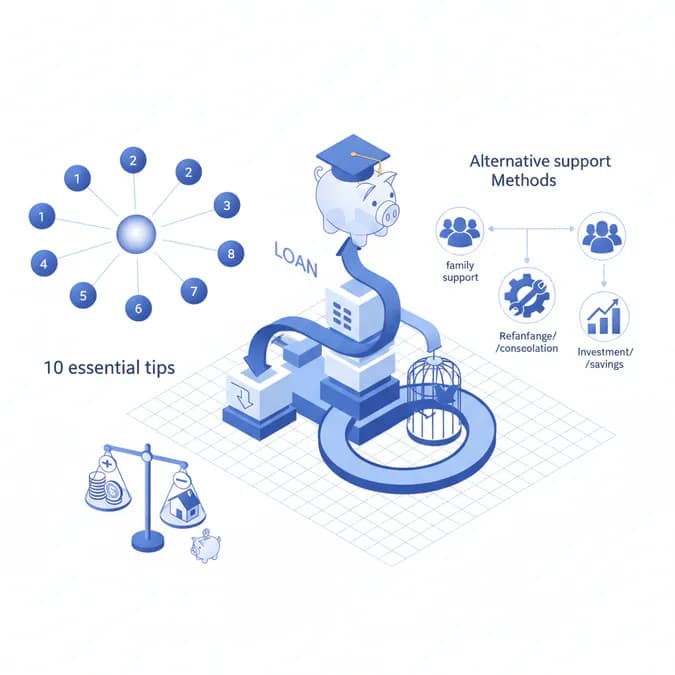
Understanding Student Loan Dynamics
Navigating your child's student loan can be a daunting task, but understanding the intricacies of student loans is crucial for making informed financial decisions. Student loans can be complex, with various types of loans, interest rates, and repayment plans. Understanding these dynamics is crucial before making any decisions. Federal loans typically have lower interest rates and more flexible repayment options compared to private loans. Parents must assess the specific terms of their child's loans, including interest rates, repayment schedules, and any potential forgiveness programs.
Pros and Cons of Paying Off Your Child's Student Loan
Paying off a child’s student loan can provide immediate relief from debt, but it also comes with potential drawbacks:
Pros:
- Reduces financial burden on the child, allowing them to focus on career growth.
- Improves the child's credit score by reducing their debt-to-income ratio.
- Can foster a sense of financial security and stability.
Cons:
- May deplete parents' savings or retirement funds.
- Could create dependency, discouraging the child from managing their own finances.
- Potential tax implications, as gifts above a certain threshold may incur taxes.
Financial Strategies for Student Debt
Before deciding to pay off a child’s student loan, consider these financial strategies:
- Assess Financial Health: Review both your and your child's financial situations to understand the impact of loan repayment.
- Explore Repayment Options: Investigate income-driven repayment plans or loan forgiveness programs that may benefit your child.
- Consider Partial Payments: Instead of paying off the entire loan, consider making partial payments to ease the burden.
- Set Clear Boundaries: If you decide to help, establish clear terms to avoid future misunderstandings.
Long-Term Impact Assessment
Evaluating the long-term effects of paying off student loans is essential. While it may provide immediate relief, it’s important to consider how it affects your financial future. According to The Telegraph, parents should weigh the benefits against potential financial strain, especially as they approach retirement.
Alternative Support Methods
If paying off the loan entirely isn’t feasible, consider these alternatives:
- Financial Education: Teach your child about budgeting and managing debt.
- Co-signing Loans: Help them secure better loan terms by co-signing, if necessary.
- Matching Contributions: Offer to match their payments to encourage responsible financial behavior.
Key Takeaways
The decision to pay off a child’s student loan is multifaceted and requires careful consideration of financial implications and long-term impacts. By understanding the dynamics of student loans and exploring alternative support methods, parents can make informed decisions that benefit both their child and their financial future.
Frequently Asked Questions (FAQ)
1. What are the benefits of paying off my child's student loan?
Paying off your child's student loan can relieve financial stress, improve their credit score, and provide a sense of security.
2. Are there any drawbacks to paying off my child's student loan?
Yes, drawbacks may include depleting your savings, creating dependency, and potential tax implications.
3. What are some alternatives to paying off my child's student loan?
Alternatives include providing financial education, co-signing loans, or matching their payments to encourage responsible financial behavior.