Key Takeaways

- India's household debt is rising significantly, with personal loans reaching Rs 62.53 lakh crore.
- The disparity between personal loans and industry credit indicates a shift in borrowing behavior.
- The potential debt shift trap poses risks for households and the financial system.
Current State of Personal Loans
The surge in household debt through personal loans in India is a reflection of changing consumer behavior and economic conditions. With total personal loans reaching Rs 62.53 lakh crore, this figure highlights a growing reliance on credit among households. Factors contributing to this rise include increased consumer spending, the availability of easy credit, and a burgeoning middle class seeking to finance their aspirations. According to recent reports, personal loans have seen a year-on-year growth of over 20%, indicating a significant trend in borrowing habits.
Industry Credit Overview
In contrast, the aggregate industry credit stands at Rs 40.81 lakh crore. This disparity between personal loans and industry credit suggests that individuals are increasingly turning to personal loans rather than relying on traditional business financing. This trend can have significant implications for the overall economic health of the country, as it indicates a shift in how financial resources are allocated. Experts warn that this reliance on personal loans may lead to increased financial vulnerability among households.
Analysis of Debt Shift Trap
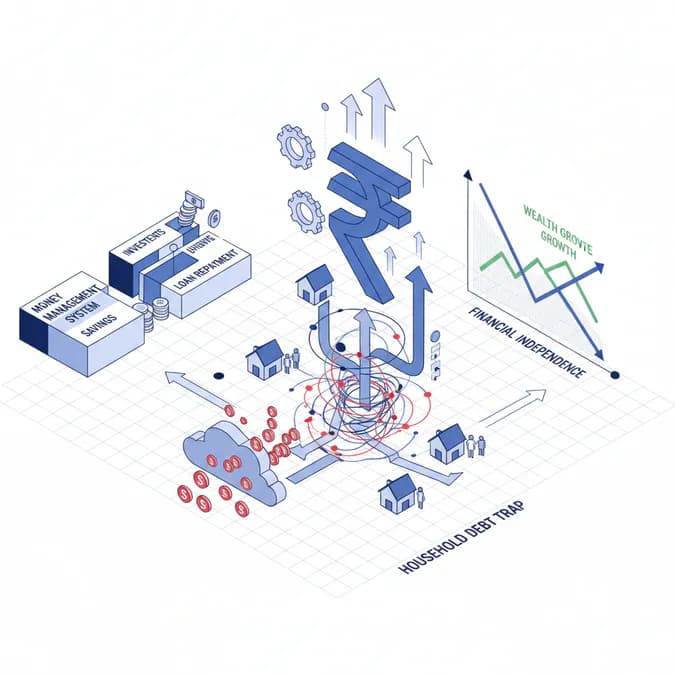
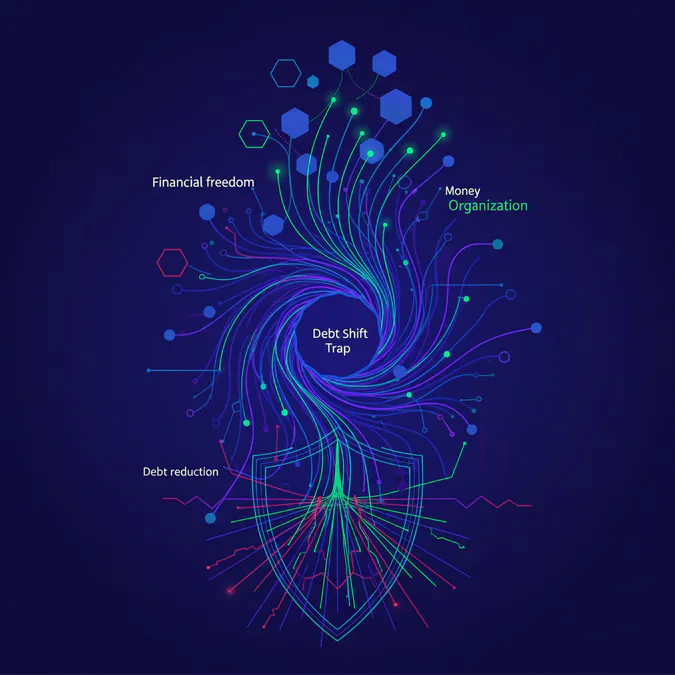
A Dutch economist has raised alarms about the potential 'debt shift' trap that could arise from this situation. The term refers to a scenario where households may find themselves trapped in a cycle of borrowing to pay off existing debts, leading to an unsustainable financial situation. This could result in increased defaults and a strain on the financial system.
Key factors to consider regarding the household debt shift trap include:
- Rising Interest Rates: As interest rates increase, the cost of servicing existing debt will rise, making it more challenging for households to manage their finances. Recent data shows that interest rates have risen by 1.5% over the last year, impacting millions of borrowers.
- Economic Slowdown: A slowdown in economic growth could lead to job losses, reducing household incomes and increasing the risk of defaults. Analysts predict that if the GDP growth rate falls below 5%, many households could struggle to meet their debt obligations.
- Lack of Financial Literacy: Many borrowers may not fully understand the terms of their loans, leading to poor financial decisions. A survey indicated that over 60% of borrowers are unaware of the full implications of their loan agreements.
Conclusion
The current landscape of personal loans in India presents both opportunities and challenges. While access to credit can empower consumers, the rising levels of household debt and the potential for a debt shift trap warrant careful consideration. Policymakers, financial institutions, and consumers must work together to ensure that borrowing remains sustainable and does not jeopardize the financial stability of households across the nation.
Frequently Asked Questions (FAQs)
What is household debt?
Household debt refers to the total amount of money that all adults in a household owe to lenders. This includes personal loans, mortgages, and credit card debt.
Why is household debt rising in India?
The rise in household debt in India can be attributed to increased consumer spending, the availability of easy credit, and a growing middle class seeking to finance their aspirations.
What are the risks associated with high household debt?
High household debt can lead to financial strain, increased defaults, and a potential debt shift trap where households borrow to pay off existing debts, creating a cycle of debt.
Sources
By understanding the dynamics of household debt, consumers can make more informed financial decisions, and policymakers can create frameworks to promote sustainable borrowing practices.