Understanding Personal Loan Costs in 2026

Personal loans can be a strategic financial tool for achieving various goals, from consolidating high-interest debt to funding major life expenses. However, before you commit to borrowing, it's essential to understand all the costs associated with personal loans. In 2026, several key expenses deserve your attention to ensure you're making a financially sound decision when evaluating personal loan options.
When evaluating personal loan options, most borrowers focus primarily on the interest rate. While the interest rate is certainly important, it's only one piece of the puzzle. A comprehensive understanding of personal loan costs will help you compare offers more effectively and avoid unexpected expenses that could derail your financial plans.
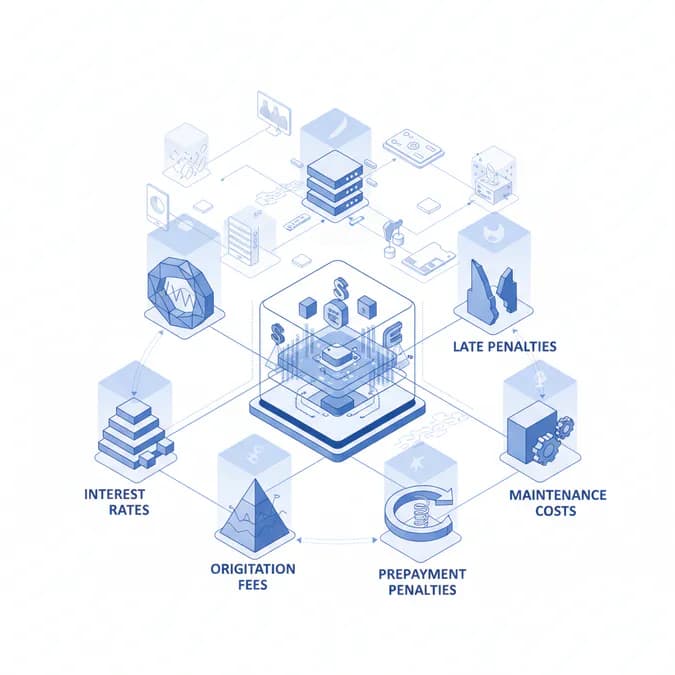
The Five Critical Personal Loan Costs to Monitor
1. Interest Rates and APR
The interest rate is perhaps the most visible cost associated with any personal loan. This rate determines how much you'll pay in interest over the life of your loan. However, it's crucial to distinguish between the interest rate and the Annual Percentage Rate (APR).
The APR includes not only the interest rate but also other cost

In 2026, personal loan interest rates continue to fluctuate based on broader economic conditions, Federal Reserve policy, and individual creditworthiness. Borrowers with excellent credit scores typically qualify for lower rates, while those with fair or poor credit may face significantly higher rates. Even a difference of one or two percentage points can result in thousands of dollars in additional interest over the loan term.
2. Origination Fees
Origination fees are charges that lenders assess for processing and underwriting your loan application. These fees typically range from 1% to 8% of the total loan amount, though some lenders may charge more or less depending on their policies and your creditworthiness.
For example, if you borrow $10,000 with a 5% origination fee, you'll pay $500 upfront. Some lenders deduct this fee directly from your loan proceeds, meaning you receive less money than you borrowed. Others may allow you to pay the fee separately, but it still represents a real cost of borrowing.
When evaluating personal loans, ask each lender about their origination fees and whether these fees are negotiable. Some lenders, particularly online lenders and credit unions, may offer loans with no origination fees, making them more attractive options for cost-conscious borrowers.
3. Prepayment Penalties
Prepayment penalties are fees that some lenders charge if you pay off your loan early. These penalties exist because lenders expect to earn interest over the full loan term. If you pay off the loan ahead of schedule, they lose that anticipated interest income.
Prepayment penalties can significantly impact your financial flexibility. If you're planning to pay off your loan faster than the agreed-upon term, or if you anticipate receiving a windfall that could allow early repayment, you'll want to avoid lenders that charge prepayment penalties.
Before signing a personal loan agreement, carefully review the terms regarding prepayment. Many reputable lenders, particularly those competing in the online lending space, have eliminated prepayment penalties to attract borrowers. Choosing a lender without prepayment penalties gives you the freedom to pay off your debt faster if your financial situation improves.
4. Late Payment Fees and Other Penalties
While you hope to make all your payments on time, it's important to understand the consequences if you miss a payment. Late payment fees can range from $15 to $35 or more per missed payment, depending on your lender and loan agreement.
Beyond late fees, missing payments can trigger other consequences. Your interest rate may increase, your credit score may suffer, and you could face additional penalties. Some lenders may also charge fees for returned checks or failed automatic payments.
To avoid these costs, set up automatic payments from your bank account if possible. This ensures you never miss a payment deadline. If you're concerned about your ability to make payments, discuss your situation with your lender before you miss a payment. Many lenders are willing to work with borrowers facing temporary financial hardship.
5. Loan Insurance and Other Add-On Costs
Some lenders offer optional add-ons to personal loans, such as payment protection insurance or loan insurance. These products promise to cover your loan payments if you become unemployed, disabled, or pass away. While these protections may sound appealing, they can significantly increase your loan costs.
Loan insurance premiums are typically added to your monthly payment or your total loan balance, increasing the overall amount you'll repay. Before accepting any add-on products, carefully evaluate whether you actually need them. In many cases, existing insurance policies or emergency savings may provide adequate protection.
Additionally, some lenders may offer credit monitoring services, identity theft protection, or other ancillary services as part of their loan package. While some of these services may have value, make sure you understand their costs and whether you actually need them.
How to Compare Personal Loan Costs Effectively
To make the best decision when choosing a personal loan, you need to compare the total cost of borrowing across different lenders. Here's how to approach this comparison:
- Gather multiple offers: Online lenders, traditional banks, and credit unions all offer personal loans with varying terms and costs. Most lenders provide loan estimates that show the APR, monthly payment, total interest paid, and total amount repaid.
- Calculate total costs: Multiply the monthly payment by the number of months in the loan term, then subtract the original loan amount. This gives you the total interest and fees you'll pay.
- Consider the loan term: Longer loan terms result in lower monthly payments but higher total interest costs. Shorter terms mean higher monthly payments but lower total interest. Choose a term that fits your budget while minimizing total interest paid.
- Review all terms and conditions: Look for prepayment penalties, late fees, and any other costs that could affect your total borrowing expense.
What This Means for Your Borrowing Decisions
Understanding personal loan costs is essential for making informed borrowing decisions. The five costs you should monitor in 2026 include interest rates and APR, origination fees, prepayment penalties, late payment fees, and optional add-on products. By carefully comparing offers from multiple lenders and understanding all associated costs, you can find a personal loan that aligns with your financial goals and budget. Remember that the lowest interest rate doesn't always mean the lowest total cost—consider all fees and terms when making your decision.
Key Takeaways
- Monitor interest rates and APR to understand the true cost of borrowing.
- Be aware of origination fees and negotiate when possible.
- Consider the impact of prepayment penalties on your financial flexibility.
- Understand late payment fees and set up automatic payments to avoid them.
- Evaluate optional add-ons carefully to avoid unnecessary costs.
Frequently Asked Questions
What are the main costs associated with personal loans?
The main costs include interest rates, origination fees, prepayment penalties, late payment fees, and optional add-on products.
How can I lower my personal loan costs?
You can lower your costs by improving your credit score, comparing multiple lenders, and negotiating fees.
Are there personal loans without origination fees?
Yes, some lenders, especially online lenders and credit unions, offer personal loans with no origination fees.
What should I do if I can't make a payment on my personal loan?
If you anticipate missing a payment, contact your lender as soon as possible to discuss your options.
Table of Contents
- Understanding Personal Loan Costs in 2026
- The Five Critical Personal Loan Costs to Monitor
- Interest Rates and APR
- Origination Fees
- Prepayment Penalties
- Late Payment Fees and Other Penalties
- Loan Insurance and Other Add-On Costs
- How to Compare Personal Loan Costs Effectively
- What This Means for Your Borrowing Decisions
- Key Takeaways
- Frequently Asked Questions