Key Takeaways

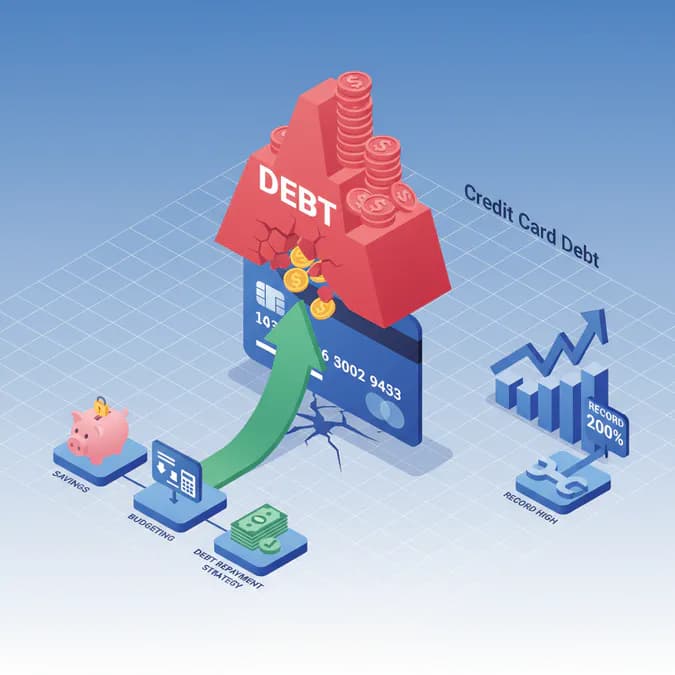
Credit card debt in the U.S. has reached a staggering $1.28 trillion, driven by high interest rates, inflation, and changing consumer behaviors. To manage this debt effectively, consumers should adopt strategies such as budgeting, paying more than the minimum, and seeking professional help when necessary.
Understanding the Credit Card Debt Surge
The recent spike in credit card debt, now totaling $1.28 trillion, marks a significant milestone in American consumer finance. This increase is not merely a statistic; it reflects the financial struggles many households face in today's economy. According to Experian, the average American carries approximately $5,315 in credit card debt, which can be daunting for many.
Economic Factors Driving Debt Increase
Several economic factors contribute to the rising credit card balances:
- High Interest Rates: As the Federal Reserve raises interest rates to combat inflation, credit card interest rates have also surged, making it more expensive for consumers to carry balances.
- Inflation: Persistent inflation has increased the cost of living, forcing consumers to rely more on credit cards for everyday expenses.
- Changing Consumer Behavior: A shift in spending habits, particularly during economic uncertainty, has led to increased reliance on credit cards for both essential and non-essential purchases.
Impact on Consumer Financial Health
The implications of this debt surge are profound. High credit card debt can lead to:
- Increased financial stress and anxiety among consumers.
- Lower credit scores due to high credit utilization ratios.
- Difficulty in securing loans for major purchases, such as homes or cars.
According to the New York Federal Reserve, households with credit card debt are more likely to experience financial instability, which can have long-term repercussions on their overall financial health.
Strategies for Managing Credit Card Debt
To combat rising credit card debt, consumers can adopt several effective strategies:
- Create a Budget: Track your spending and identify areas where you can cut back. This is essential for managing credit card debt effectively.
- Pay More Than the Minimum: Always aim to pay more than the minimum payment to reduce interest costs. This can significantly lower your overall debt burden.
- Consider Balance Transfers: Look for credit cards offering 0% APR balance transfer options to consolidate debt. This can provide temporary relief from high-interest payments.
- Seek Professional Help: If debt becomes unmanageable, consider consulting a credit counselor. They can provide personalized strategies to help you regain control.
Long-Term Financial Planning
Addressing credit card debt is not just about immediate relief; it requires a long-term financial strategy. Establishing an emergency fund, investing in retirement accounts, and maintaining a healthy credit score are crucial steps in building a secure financial future. According to Bankrate, a proactive approach to managing credit can help consumers avoid falling into the debt trap again.
Key Takeaways
- Credit card debt has reached an all-time high of $1.28 trillion.
- Economic factors such as high interest rates and inflation are driving this surge.
- Effective management strategies include budgeting, paying more than the minimum, and seeking professional help.
Frequently Asked Questions (FAQs)
What is the average credit card debt in the U.S.?
As of now, the average American carries about $5,315 in credit card debt, according to Experian.
How can I lower my credit card debt?
You can lower your credit card debt by creating a budget, paying more than the minimum payment, and considering balance transfers to lower interest rates.
What should I do if my credit card debt is unmanageable?
If your credit card debt becomes unmanageable, it’s advisable to consult a credit counselor who can help you develop a personalized plan to regain control of your finances.